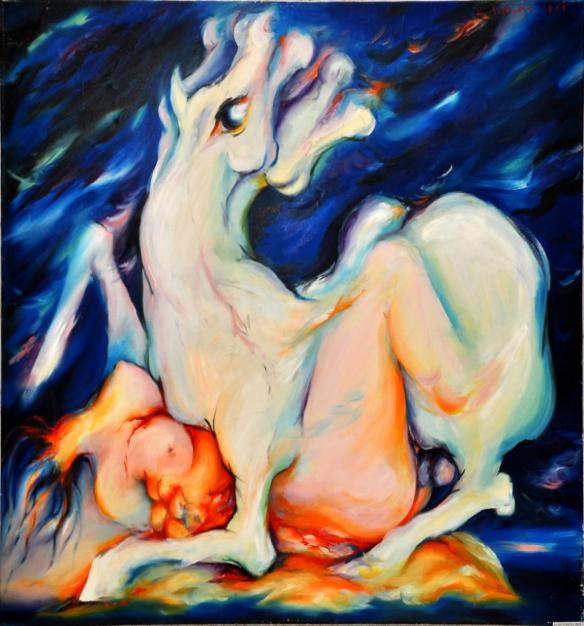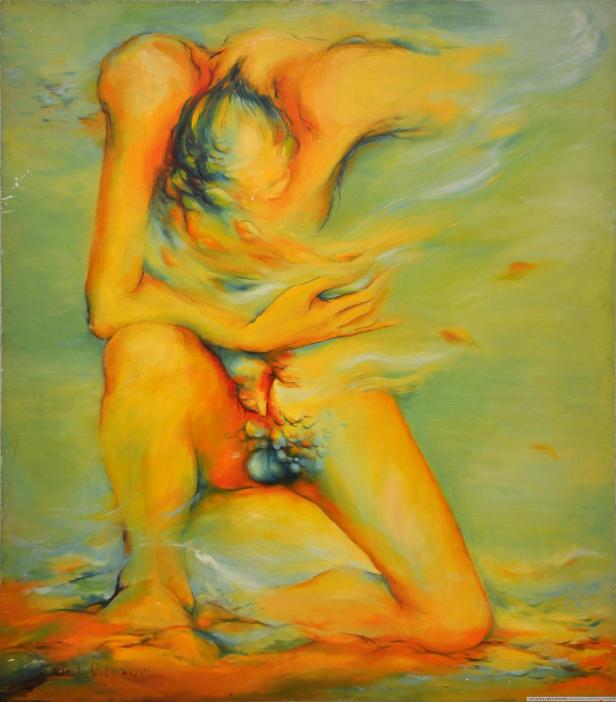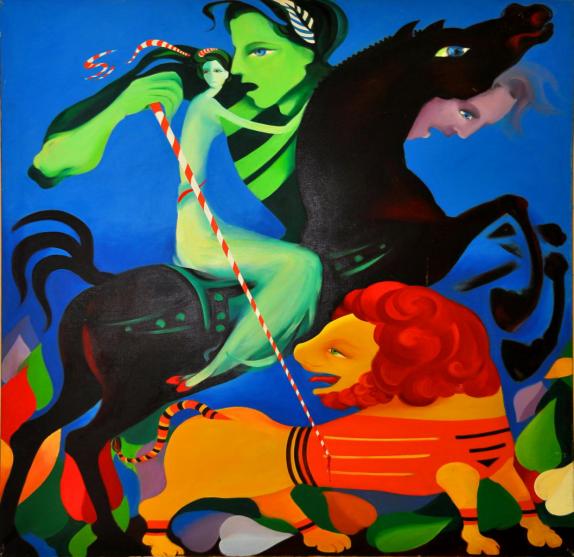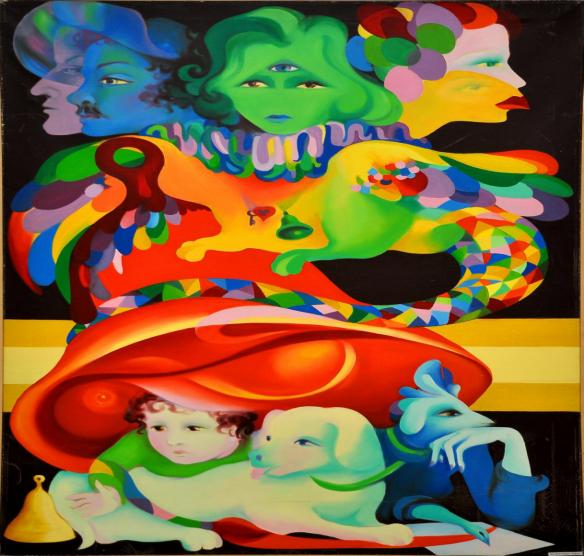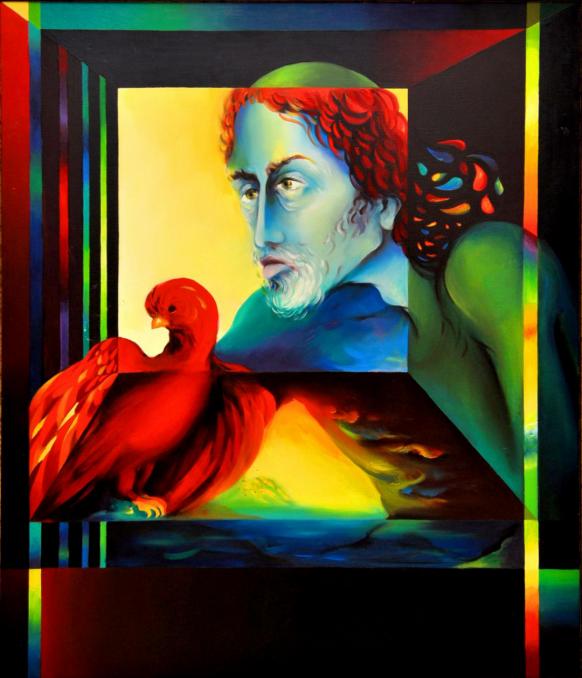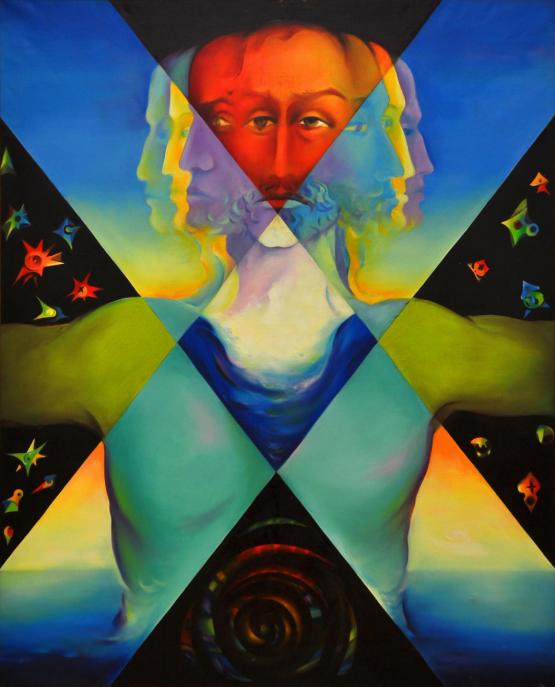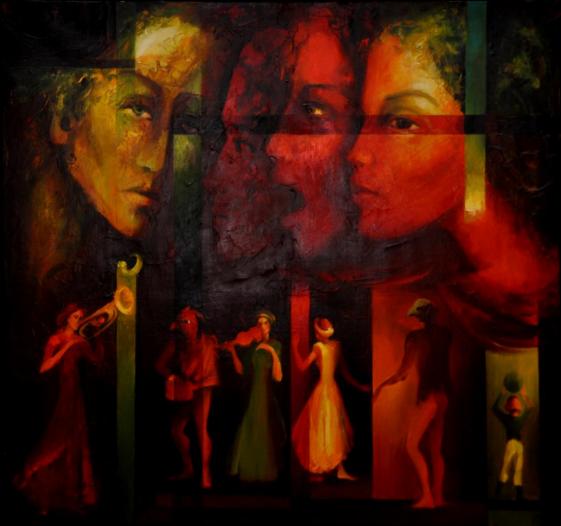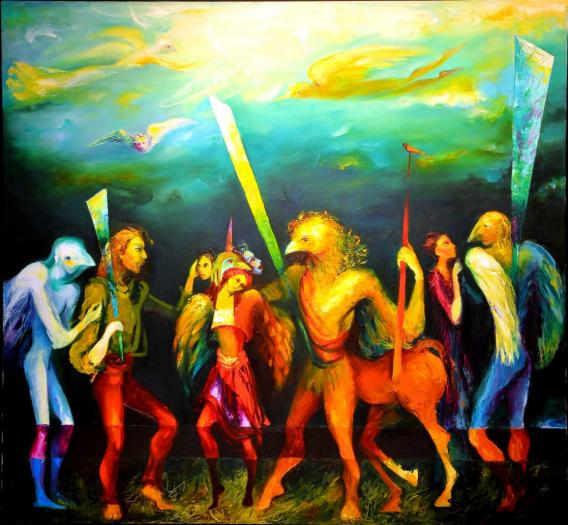
From 1965. to 1999., an impressive, distinctive and fruitful artistic biography was created in the former Yugoslavia, which will be completed in New York in the last two decades of the twentieth century. After her death, a part of Nadežda Nada Vitorović’s painting legacy was taken care of in the Priboj Homeland Museum, according to the idea of her sister Nevena and husband Natan Silberberg. The legacy collection, which contains 122 oil paintings and 47 drawings, handwritten notebooks of diary entries and personal correspondence, arrived in Priboj in 2000. In the same year, a project was made on this occasion and the gallery space within the Museum that bears the painter’s name was adapted.
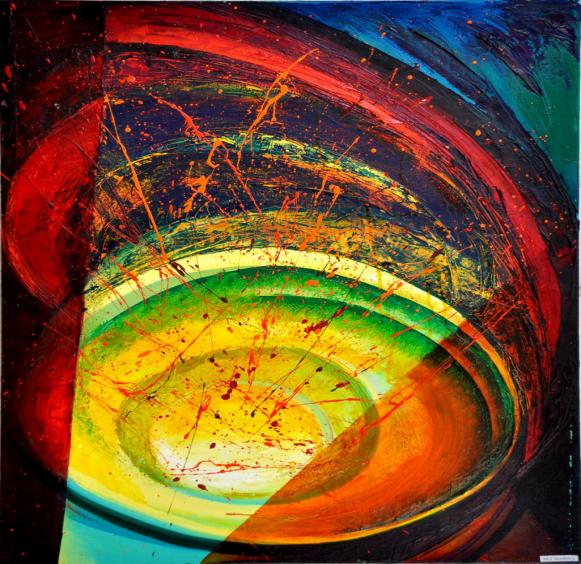
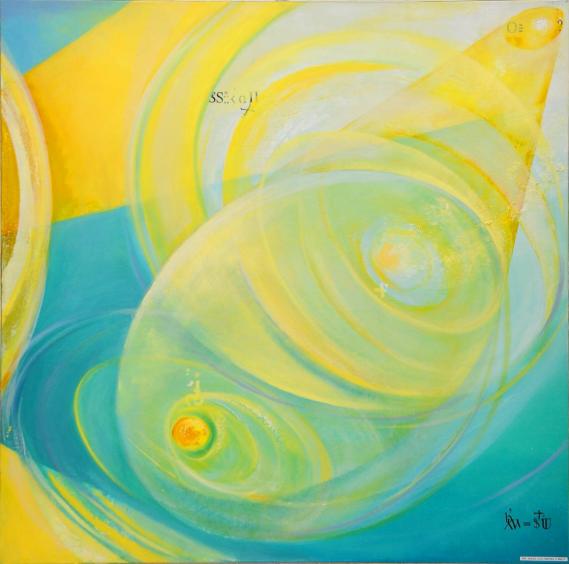
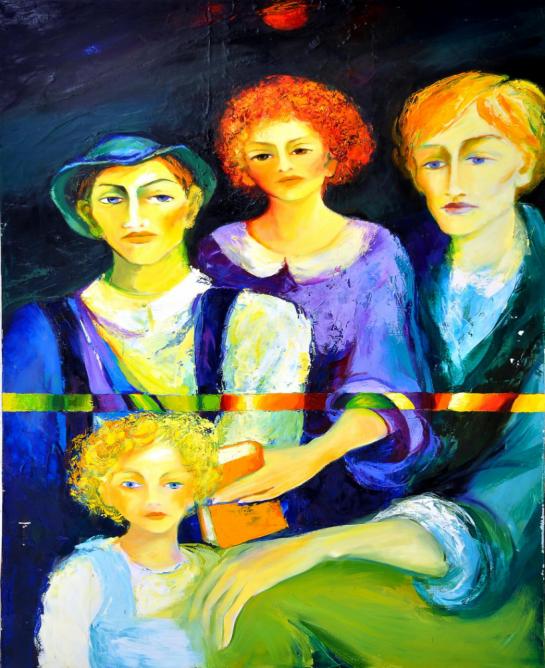
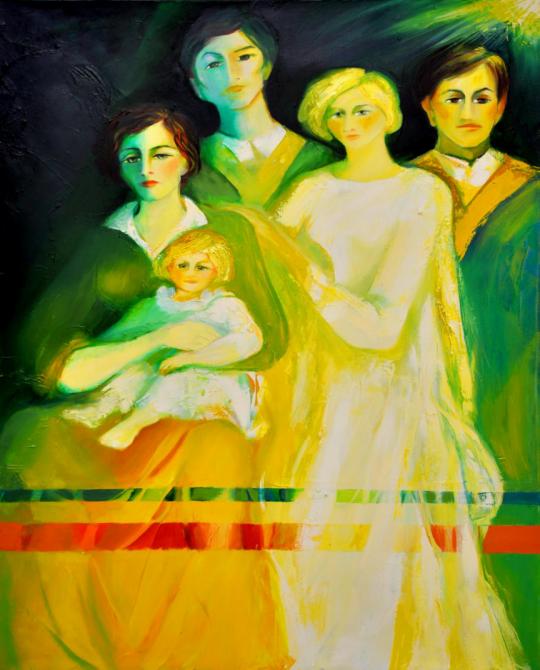
Nadežda Nada Vitorović was born in Priboj in 1935. to parents who were not originally from Priboj. She grew up in Belgrade, where she completed elementary and high school, as well as art studies. As a little girl, she knew that she wanted to be a painter and then her famous sentence was created: “I will be a rich and famous artist and I will live in French Street”, which came true. Under the same title, she published a book during her lifetime, where she describes all the important influences on her work through a series of texts. Her career can be divided into two key periods. Belgrade, which timidly opened after the first solo exhibition in Rovinj in 1965., and which would reach its peak in the 70.s. The second period takes place from the 1980.s and during the 90.s in New York. Very inspired and with great creative energy, a large number of paintings and drawings were created. In addition to Belgrade and New York, she has exhibited in many cities in today’s Balkans, then in Germany, Italy, France, Israel, USA. She painted in cycles starting with the first “I Love My Being Semi-Darkness”, followed by “Metamorphosis”, “Ecce Homo”, “Birds”, “Stars”, “New World”. In the formation of their artistic expression, music, dreams and mythology were decisively influenced. In the resulting works, overall, there is a noticeable alternation of coloristic and thematic concepts, the intertwining of the past and the future, dream and reality. At the same time, from the earliest works, the need to leave a strong imprint of individuality, special and different, is noticeable.
She has often said that she creates these paintings as if she were dreaming. She understood the creative process as development, changeability and progression using the freedom of expression that the twentieth century generously offered. It was an unavoidable topic of art criticism and, for the most part, more than in favor of Nadezhda’s painting of the Belgrade period. In those decades, she was an omnipresent and favorite theme among painters, and at that time she was considered the most beautiful Belgrade painter. She also expressed her artistic inspiration through literary work. She has published three collections of poetry, written memoirs and essays, and diary entries. According to experts, her poetry is characterized by inspirational and exploratory character, emerging within the framework of a dramatic postmodern understanding.She died in New York in 1999 and, according to her wishes, the urn was deposited in Belgrade. In the history of Priboj’s culture, Nadežda Nada Vitorović will be remembered as the first academically educated painter.