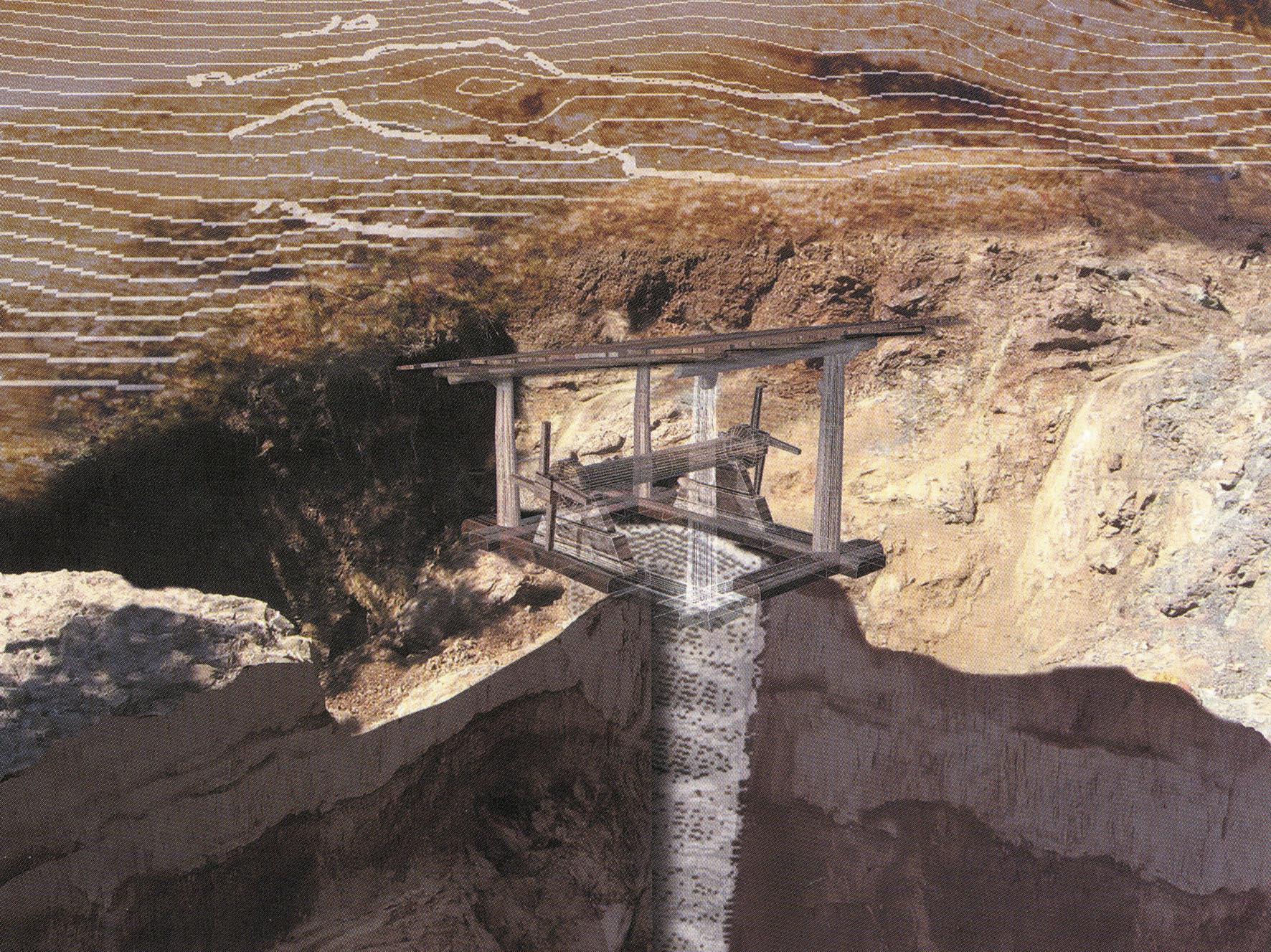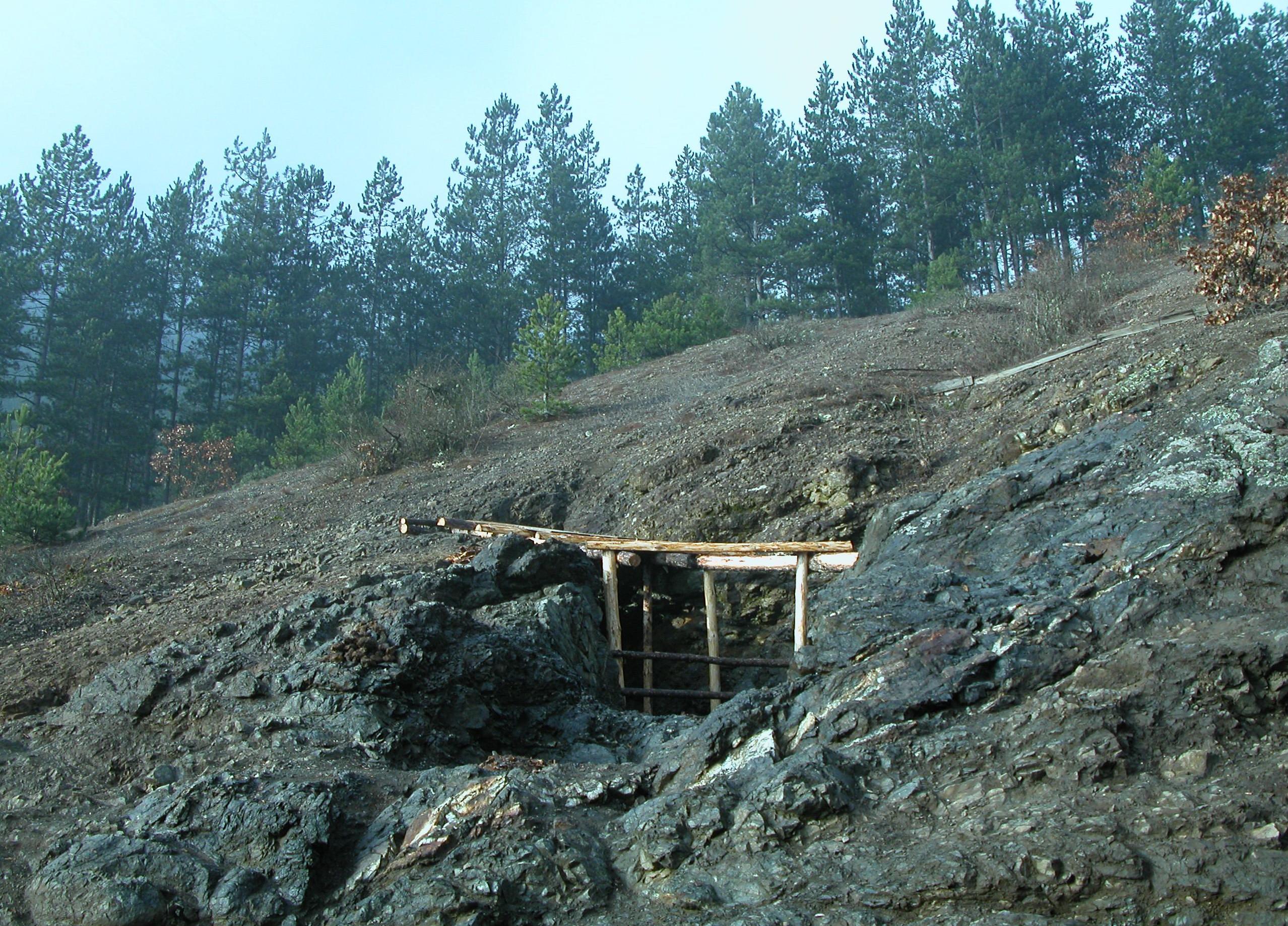
The Homeland Museum from Priboj is the initiator and implementer of the research of mounds in Kaluđersko Polje, as part of the research project of the Archaeometallurgical Center Jarmovac. Two mounds were systematically explored, in the period from 2004 to 2008, with, a break in 2006.
In 2009, archaeological excavations of mounds and burial mounds on Goleško brdo were also carried out. Two mounds were excavated at the site of Mramorak and judging by the archaeological findings, they were created during the Early Bronze Age. These mounds are about 13 meters in diameter and and 1.5 meters high. Constructively and in terms of size, the thunderstorms at the sites of Lokve and Šćepanac are completely different. These graves are about 8 meters in diameter and barely recognizable on the ground, up to thirty centimeters high, they are made of a single layer of stone with a sunken part in the middle. Archaeological finds date back to the early Middle Ages. The use of prehistoric mounds for burying the deceased at the end of the fifteenth century, obviously without knowledge of the earlier purpose of these buildings, was attested at the site of Ocrkavlje in the church yard, St.. Archangel Michael, in the valley of Poblaćnica.
We have defined the Jarmovac area as an archaeometallurgical center because of the diversity and number of sources for its study. On the basis of: mining shafts, remaining mining tools, veins of native copper, malachite ores and chalcopyrites, in the wider zone along the Jarmovac stream, we get basic information about this metallurgical district, the manner and technology of its exploitation. we learn a lot about their daily lives. Mounds, tombs of the Bronze and Iron Ages in Kaluđersko Polje, indirectly indicate that the shafts of Jarmovac were probably exploited in these periods as well. All this makes Jarmovac one of the most important centers for archaeometallurgical research in Europe.