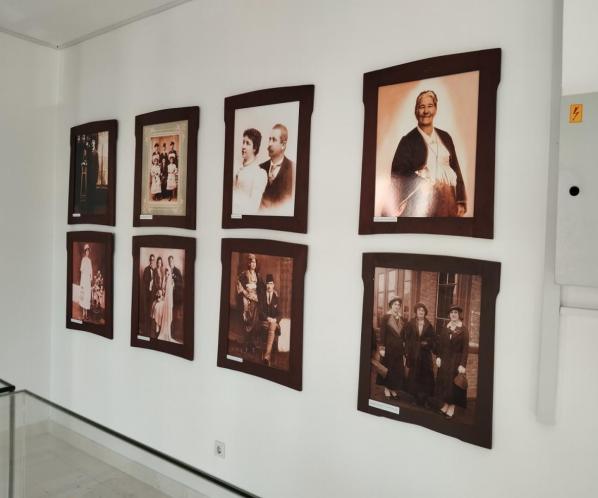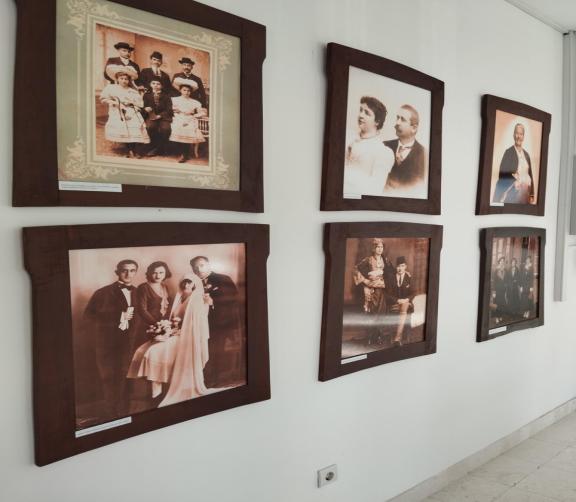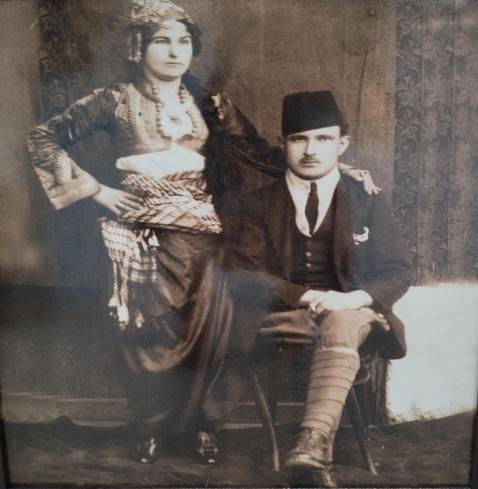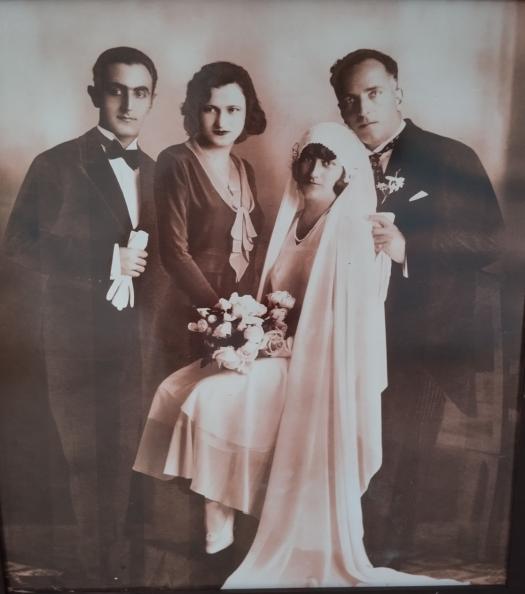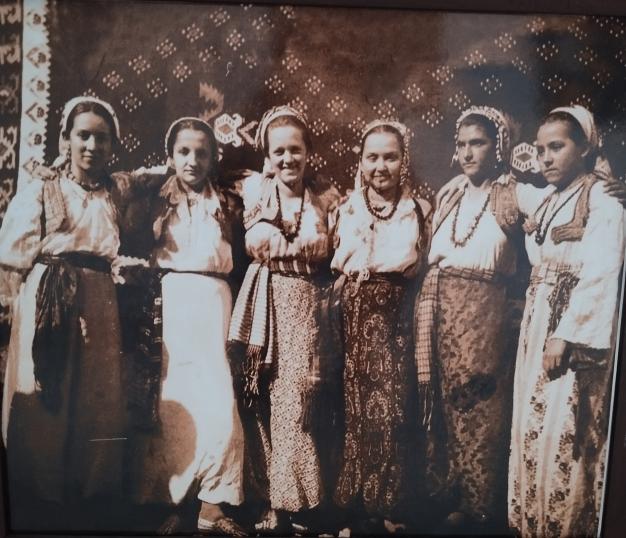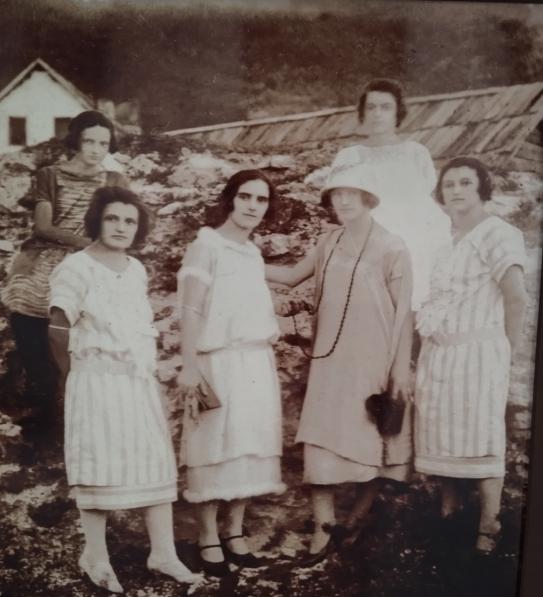
Clothing and the way of dressing are always a reliable opportunity to get to know an important part of the history of a nation’s culture. Traditional clothing in Serbia, both rural and urban, with the appearance and quality of each garment, indicated gender, age, ethnicity and religion. At the same time, during this period, clothing becomes a reliable witness to economic power as well as belonging to a certain social class. Clothing items acquire the character of a status symbol and become a field for acquiring a prestigious position in society.
The town culture in this area, during the reign of the Ottoman Empire from the 15th to the 19th century, was directly exposed to Turkish influences in all areas of society, including the way of dressing. During the 19th and 20th centuries, common characteristics were noticeable in the manner of clothing of the Serbian and Muslim people of the Priboj region. These features are most pronounced in the way they are made, the types of materials used and the shapes of the garments. As in the 19th century, woolen cloth and hemp cloth were the most represented materials. In the first decades of the twentieth century, first in Muslim environments, cotton and various types of colorful fabrics of Eastern origin were used. Soon there was their penetration from urban areas to rural areas. The use of fabrics of factory production is counted in individual and rare cases, and in later times it will completely prevail.
Since the population was mostly Orthodox, and to a lesser extent Islamic, clothing in all periods of its development had differences in basic features and those defined itself into separate groups. There were certain common, similar, and sometimes the same traits that were more pronounced in men’s clothing than in women’s clothing. After the proclamation of the annexation of Bosnia and Herzegovina by the Austro-Hungarian Monarchy, after 1880, Austro-Hungarian soldiers arrived in this area with their families and life habits, including the way of dressing. With the arrival of the second occupier, in addition to the already existing Ottoman Empire, the impulse of economic development in the Priboj region was accelerated. Numerous commercial shops were opened to supply the army and the inhabitants of the town, and the import of goods that were not previously present was developed. For the first time, the stores are supplying textile goods from Western Europe. Conditions for a more modern way of life are developing, so the culture of clothing is being built through new clothing items of the town type. The outbreak of the First World War naturally led to the calming down of the development of fashion trends, so in the newly founded state of the Kingdom of Serbs, Croats and Slovenes, there will be a revival of fashion activity.